Showing posts with label health. Show all posts

Sunday, September 09, 2018

How beetroot juice can help lower your blood pressure?

Beetroot and its product are a very good source of the chemical compound nitrate which can dramatically bring down high blood pressure. In fact, when the person consume the juice, the blood pressure drop instantly and stay lowered for up to twenty-four hours.

A study published by American Heart Association Journal shows that is the ingestion of the dietary nitrate in the beetroot juice is ultimately responsible for the lowered blood pressure. The researchers found that blood pressure levels were lowered within only one hour after dirking the beetroot juice.

It was believed by the researchers that nitrates are converted into nitric oxide by the body, and this chemical that eases up the blood vessel. In one study, researchers found that drinking just one glass of beetroot juice lowered systolic pressure by 4 to 5 points.

Research also shown that a daily intake of 300 to 500 (equal to cups of beetroot juice) milligrams of dietary nitrate can improve exercise performance and lower blood pressure.
How beetroot juice can help lower your blood pressure?

Monday, January 26, 2009

Avocado and blood cholesterol

Avocado and blood cholesterol
Avocado is a very dense fruit, packed with nutrients. It is especially rich in vitamin A. It also contains plenty of B vitamins, especially, folic acid, calcium, iron, 9 essential amino acids and a mountain of potassium.
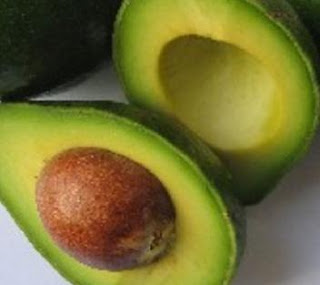
The avocado has shown to benefit circulation, lower cholesterol and dilate blood vessels. It’s true that avocados are high in fat – one reason they’ve earned the nick name “butter pear.” But it’s primary fat, monounsaturated oleic acid ((also concentrated in olive oil), acts as an antioxidant to block LDL cholesterol.

In 1996 study in Mexico showed that from 45 subjects who ate avocados every day for just one week experienced an average of 17 percent drop in total blood cholesterol. They cholesterol ratio also changed in a healthy way: Their LDL (low density lipoprotein) and triglycerides dropped significantly while their HDL (high density lipoprotein) levels climbed.

Avocados are also rich in beta-sitosterol which was shown to reduce cholesterol in human studies. Beta sitosterol is a widely prescribed anti-cholesterol drug that interferes with cholesterol absorption, but has serious side effects. Avocados have four times the amount found in oranges that had previously been cited as the richest fruit source of beta sitosterol.

Avocado has been found to have three times the amount of glutathione than in any other fruit. Glutathione is a powerful antioxidant shown to block thirty different carcinogens and to block the proliferation of the AIDS virus in test tube experiments. Studies have revealed a strong correlation between increased glutathione intakes (from food) an decreased risk of oral and pharyngeal cancer.
Avocado and blood cholesterol

Monday, September 01, 2008

Definition of Hypertension

Definition of Hypertension
The World Health Organization defined hypertension as: systolic blood pressure > or equal 160mmHg and/or diastolic blood pressure > or equal 95mmHg and border line hypertension as systolic <160 and diastolic pressure 90-94mmHg or systolic 141-159 and diastolic pressure < 90 mmHg. The remainder of the population was considered ‘normotensive’.

Such definitions however are arbitrary because of the continuous nature of the blood pressure distribution. For most cases of hypertension, no underlying clinical case is found on investigation i.e., so called ‘essential’ hypertension. Essential hypertension is type of disease not hitherto recognized in medicine in which the defect is one of degree not of kind, quantitative not qualitative. It is apparently difficult for doctors to understand because it is departure from the ordinary process of binary thought to which they are brought up.

Definitions of hypertension are essentially pragmatic. They may be used to characterize groups of individuals that may benefit from specific treatment regimens – no pharmacologic and pharmacologic. For example, the cut points for ‘hypertension’ may be chosen at the level of blood pressure for which evidence of a treatment benefit is supported by data from randomized controlled clinical trials, and benefits of treatment outweighs risk. However these criteria will exclude the large numbers of people at excess risk from their blood pressure levels, but who are at or below the threshold for therapeutic intervention.
Definition of Hypertension

The Most Popular Articles

Other posts

BannerFans.com BannerFans.com